Ultimate Guide to Weatherproof Outdoor Lantern Lighting
Februar 10, 2026The selection and installation of outdoor lantern lighting necessitates careful consideration of various factors to ensure durability, functionality, and aesthetic integration with a property’s exterior. This guide provides a comprehensive overview of weatherproof outdoor lantern lighting, addressing material science, ingress protection, power sources, mounting types, and the strategic deployment of illumination.
Weatherproofing in outdoor lighting Kikilighting refers to a product’s ability to withstand environmental elements such as rain, snow, dust, and temperature fluctuations. This is primarily quantified by its Ingress Protection (IP) rating, a standardized classification system that indicates the degree of protection provided by electrical enclosures against both solids (dust, dirt) and liquids (water).
The IP Rating System Explained
The IP rating consists of two digits. The first digit represents protection against solid objects, ranging from 0 (no protection) to 6 (dust-tight). The second digit represents protection against liquids, ranging from 0 (no protection) to 8 (protected against prolonged immersion under pressure). For outdoor lantern lighting, a minimum IP44 rating is generally recommended for sheltered locations, indicating protection against solid objects greater than 1mm and splashing water from any direction. For exposed areas, an IP65 or higher rating is advisable, signifying dust-tight protection and resistance to water jets.
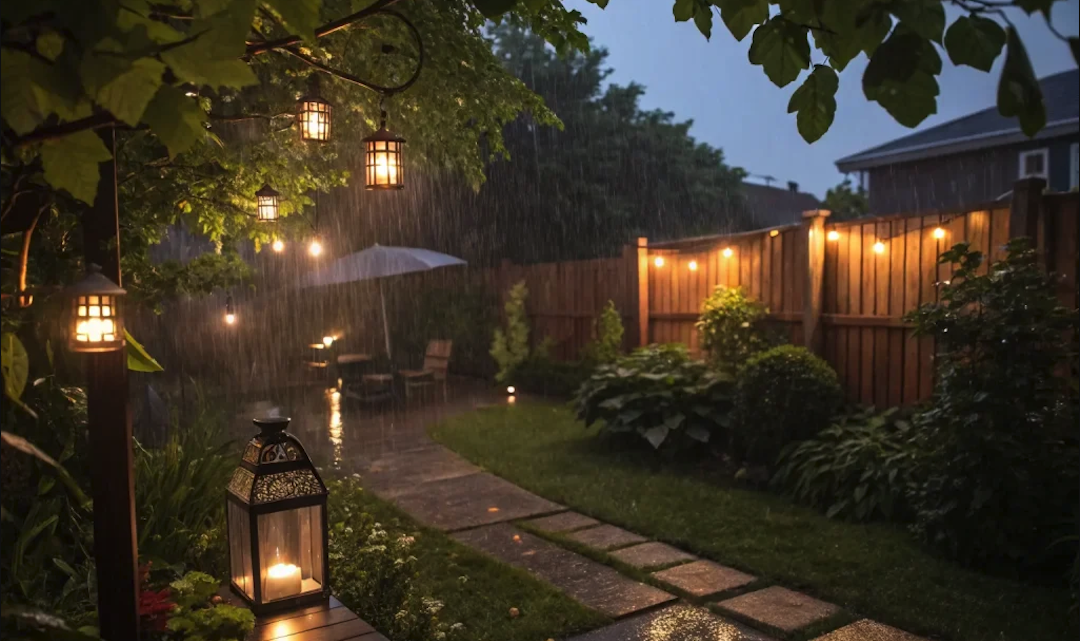
Consider your outdoor environment. Is your lantern under a porch, shielded from direct rainfall? Or is it exposed on an open wall, a sentinel against the elements? Answering this question is crucial for selecting the appropriate IP rating. An inadequately rated fixture is akin to a ship with a leaky hull – it will eventually succumb to the incessant assault of water and dust, leading to premature failure.
Material Science and Corrosion Resistance
Beyond the IP rating, the materials composing a lantern are fundamental to its long-term performance. Exposure to moisture, salt spray (in coastal areas), and UV radiation can degrade materials, leading to corrosion, discoloration, and structural failure.
Common Materials and Their Properties
- Aluminum: Lightweight and corrosion-resistant, particularly when powder-coated. Anodized aluminum offers enhanced protection. It is a workhorse material, offering a good balance of cost and durability.
- Brass and Copper: Inherently corrosion-resistant and develop a rich patina over time, which can be an aesthetic advantage. These materials are often more expensive but offer exceptional longevity, acting like a sturdy shield against rust.
- Stainless Steel: Offers good corrosion resistance, especially marine-grade (316L) stainless steel, which is suitable for coastal environments. Lower grades (e.g., 304) may show signs of rust in harsh conditions if not properly maintained.
- Composite Materials and Plastics: Can be highly durable, UV-resistant, and cost-effective. High-quality composites do not rust or corrode and can mimic the appearance of traditional metals.
- Glass: Typically tempered or specialized for outdoor use to withstand temperature changes and minor impacts. The clarity and integrity of the glass directly impact light output and aesthetic appeal.
When evaluating materials, consider the specific environmental stressors your lanterns will face. A galvanized mild steel fixture might rust quickly in a coastal climate, whereas the same fixture in an arid, inland environment might last for decades. Your choice of material is a silent testament to its enduring battle with the environment.
Powering Your Outdoor Lanterns
The power source for outdoor lanterns dictates installation complexity, operational costs, and aesthetic freedom. The primary options are hardwired alternating current (AC), low-voltage direct current (DC), solar-powered, and battery-operated.
Hardwired (AC) Systems
Hardwired lanterns connect directly to your property’s electrical system, typically 120V or 240V AC. This provides a consistent and reliable power supply, suitable for long-term, high-output illumination.
Advantages and Disadvantages
- Advantages: Consistent light output, no reliance on batteries or sunlight, can accommodate higher wattage bulbs.
- Disadvantages: Requires professional installation (often an electrician) to ensure code compliance and safety, more complex wiring, and permanent placement. Trenching for underground wiring can be labor-intensive and disruptive.
Installing hardwired lighting is like laying down permanent roots for your illumination. Once established, they provide an unwavering glow, but the initial effort is significant.
Low-Voltage (DC) Systems
Low-voltage lighting operates typically at 12V DC, powered by a transformer that steps down the household current. These systems are generally safer and easier to install for homeowners.
Advantages and Disadvantages
- Advantages: Safer to work with (reduced risk of electrical shock), easier DIY installation, flexible layout, and expansion.
- Disadvantages: Requires a transformer, potential for voltage drop over long cable runs (leading to dimmer lights), and generally lower light output than hardwired systems.
Low-voltage systems offer greater flexibility, allowing you to sculpt your light scape with a gentler hand. They are more forgiving, but their reach might be limited, requiring careful planning of cable runs.
Solar-Powered Systems
Solar lanterns integrate a small photovoltaic panel, a rechargeable battery, and an LED light source. They charge during the day and automatically illuminate at night.
Advantages and Disadvantages
- Advantages: Environmentally friendly, no wiring required (complete freedom of placement), zero operational electricity costs.
- Disadvantages: Performance is dependent on sunlight exposure (less effective on cloudy days or in shaded areas), battery lifespan limitations, and often lower light output compared to wired options.
Solar lanterns are like nomadic wanderers, drawing sustenance from the sun. Their freedom is their charm, but their reliance on nature means their brilliance can wane on overcast days.
Battery-Operated Lanterns
These lanterns are powered by disposable or rechargeable batteries and offer the ultimate in portability. They are often used for temporary lighting or decorative accents.
Advantages and Disadvantages
- Advantages: Extremely portable, no installation required, ideal for temporary use or specific events.
- Disadvantages: Requires regular battery replacement or recharging, limited light output, and not typically designed for continuous long-term illumination.
Battery-operated lanterns are like transient guests, offering immediate light but requiring constant replenishment. Their convenience is undeniable for specific, short-term needs.
Mounting Types and Placement Strategy
The optimal mounting type for your outdoor lantern depends on the desired illumination, aesthetic integration, and structural considerations of your property. Strategic placement enhances both security and visual appeal.
Wall-Mounted Lanterns
These are the most common type, affixed directly to an exterior wall. They often flank doorways, garage entrances, or provide accent lighting along pathways.
Common Styles and Considerations
- Up-light/Down-light: Directs light upwards, downwards, or both, influencing the wash of light on surfaces.
- Arm Length: The extension from the wall affects spread and potential for glare.
- Height: Typically installed at eye level or slightly above to prevent glare and maximize light distribution for pathways or entrances. Consider the „gatekeeper“ role they play, guiding visitors.
Post-Mounted Lanterns
Lanterns mounted on posts are ideal for illuminating pathways, driveways, or defining property boundaries. They act as beacons, guiding the way.
Post Height and Spacing
- Height: A critical factor. Taller posts offer broader light distribution but can create glare if not properly shielded. Shorter posts provide more intimate, localized lighting.
- Spacing: Consistent spacing creates a cohesive visual rhythm and even illumination. Too few, and you create dark pockets; too many, and it can feel over-lit.
Hanging Lanterns
Suspended from an overhead structure, such as a porch ceiling or pergola, hanging lanterns provide downward-directed light and can be a focal point.
Chain Length and Stability
- Chain Length: Adjustable to suit ceiling height and desired light distribution.
- Stability: Ensure the mounting point can support the lantern’s weight and withstand wind motion. A gently swaying lantern adds a dynamic element, but excessive movement can damage the fixture or its surroundings.
Flush Mount and Semi-Flush Mount
Often used on ceilings of porches or under eaves, these fixtures provide overhead illumination without protruding significantly.
Aesthetic Integration
- Low Profile: Blends seamlessly with the architectural lines of the structure, ideal where space is limited or a discreet look is desired.
Placement is not merely about where a light physically sits but how its illumination interacts with its surroundings. It’s about painting with light, defining shapes, and creating ambiance.
Lighting Technology and Controls
The choice of light source, typically LED (Light Emitting Diode), is paramount for energy efficiency, longevity, and versatility. Control options further enhance functionality and convenience.
LED Technology
LEDs have largely replaced incandescent and halogen bulbs due to their superior efficiency, longer lifespan, and durability.
Key LED Characteristics
- Energy Efficiency: Significantly lower power consumption, leading to reduced electricity bills.
- Lifespan: Can last tens of thousands of hours, drastically reducing maintenance and replacement costs.
- Color Temperature (CCT): Measured in Kelvin (K), this describes the „warmth“ or „coolness“ of the light.
- Warm White (2700K-3000K): Creates a cozy, inviting atmosphere, mimicking traditional incandescent light.
- Neutral White (3500K-4000K): Offers a balanced, clear light, often used for task lighting.
- Cool White (5000K-6500K): Provides bright, crisp light, sometimes perceived as more utilitarian.
- Color Rendering Index (CRI): A measure of how accurately a light source renders colors compared to natural sunlight. A higher CRI (80+) is generally desirable for outdoor spaces where color perception is important.
- Dimmability: Many LED fixtures are dimmable, offering flexibility in light intensity to suit different moods or functions.
LEDs are the quiet engineers of modern illumination, offering efficiency and longevity. They are not merely light emitters but creators of atmosphere, with their color temperature acting as the palette.
Smart Controls and Automation
Modern outdoor lighting can be integrated into smart home ecosystems, offering enhanced control and automation features.
Types of Controls
- Dusk-to-Dawn Sensors: Automatically switch lights on at dusk and off at dawn, ensuring constant nighttime illumination without manual intervention.
- Motion Sensors: Activate lights when movement is detected, serving as a security deterrent and providing intermittent lighting when needed. They act as watchful eyes, signaling presence.
- Timers: Allow for programmable on/off schedules, enhancing energy efficiency and security.
- Smart Home Integration: Integration with platforms like Google Home, Amazon Alexa, or Apple HomeKit enables voice control, remote access, and scene creation. This transforms your lighting into an intelligent system, responding to your commands and daily rhythms.
Installation and Maintenance Best Practices
Proper installation and routine maintenance are crucial for maximizing the lifespan and performance of your weatherproof outdoor lantern lighting. Neglecting these aspects can lead to premature failure and safety hazards.
Professional vs. DIY Installation
The complexity of installation often dictates whether professional assistance is required.
- Hardwired Systems: Due to the voltages involved and the need for compliance with local electrical codes, professional electrician installation is highly recommended for hardwired AC systems. This is an investment in safety and compliance.
- Low-Voltage and Solar Systems: These are generally safer and more straightforward for homeowners to install, provided they follow manufacturer instructions and local guidelines. However, if unsure, consulting a professional is always advisable. Even simpler systems require a careful hand.
Wiring and Conduit
For all wired systems, protecting the wiring from environmental damage is paramount.
- Underground Wiring: Must be buried at the appropriate depth and protected within suitable conduit (e.g., PVC or metal) to prevent damage from digging, rodents, or moisture. This conduit is the armor of your electrical arteries.
- Above-Ground Wiring: Should be secured, neatly routed, and protected within weatherproof conduit or enclosures where exposed.
Sealing and Gasketing
Even with high IP ratings, the integrity of seals and gaskets can degrade over time.
- Inspection: Periodically inspect seals around glass panels, access points, and mounting plates for cracks or deterioration.
- Replacement: Replace damaged gaskets promptly to maintain the fixture’s weatherproof integrity. These small, often unseen components are the guardians against moisture infiltration.
Cleaning and Bulb Replacement
Regular cleaning prevents the buildup of dirt, dust, and pollen, which can obscure light output.
- Cleaning: Use a soft cloth and mild soap and water to clean the fixture’s exterior and glass. Avoid abrasive cleaners that can damage finishes.
- Bulb Replacement: When replacing bulbs in modular fixtures, ensure the replacement bulb matches the wattage and type specified by the manufacturer. Disconnect power before working on any electrical fixture.
Rust and Corrosion Mitigation
Especially important for fixtures in coastal or high-humidity environments.
- Protective Coatings: Applying a clear protective coating periodically can extend the life of metal finishes.
- Cleaning: Regular cleaning helps remove corrosive salt or pollutants.
- Drainage: Ensure the fixture’s design allows for proper water drainage, preventing water from pooling.
Installation is the foundation, and maintenance is the ongoing care that allows your outdoor lanterns to stand as steadfast sentinels, enduring the relentless passage of seasons while continuing to cast their protective glow. Neglect, like a slow erosion, will inevitably diminish their strength.